
Is Broken Glass Art Safe and Durable? Understanding Laminated Glass Art
Discover whether broken glass art is safe, durable and suitable for modern interiors. Learn how laminated glass, controlled cracks and professional framing make each Cracasso artwork secure and collectible.
When people first hear the term broken glass art, one question naturally comes to mind: can an artwork made from broken glass truly be safe?
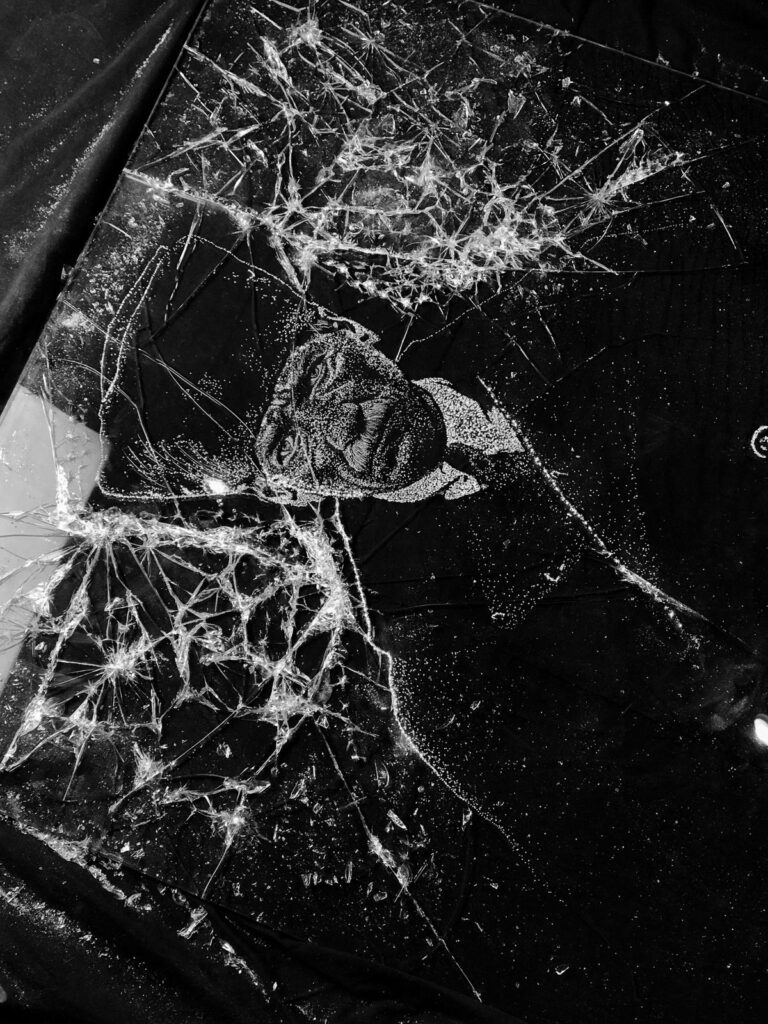
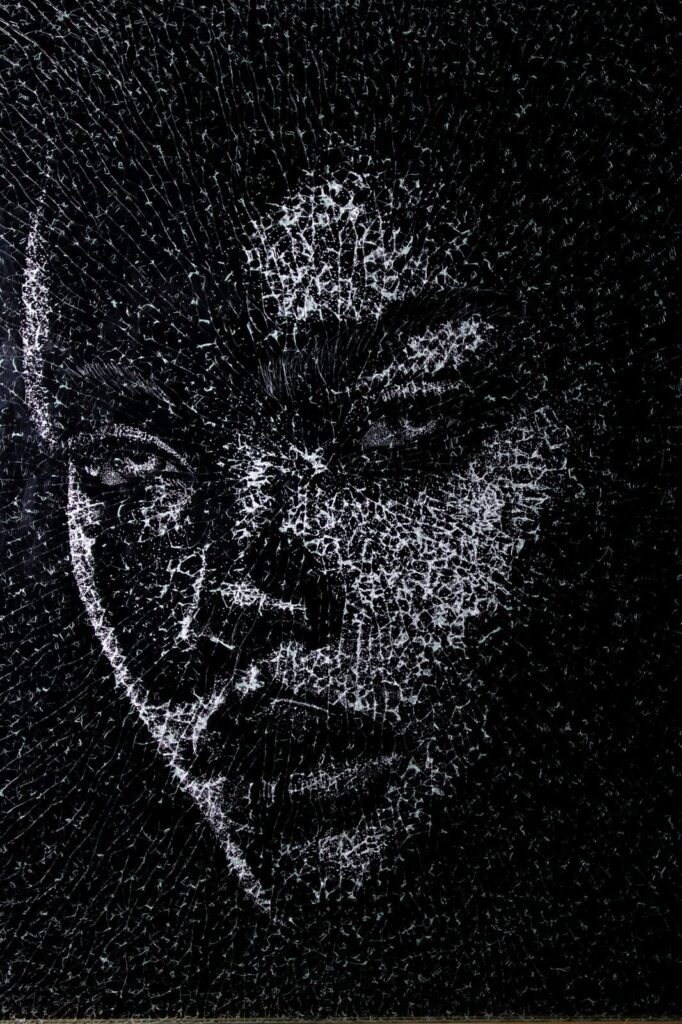
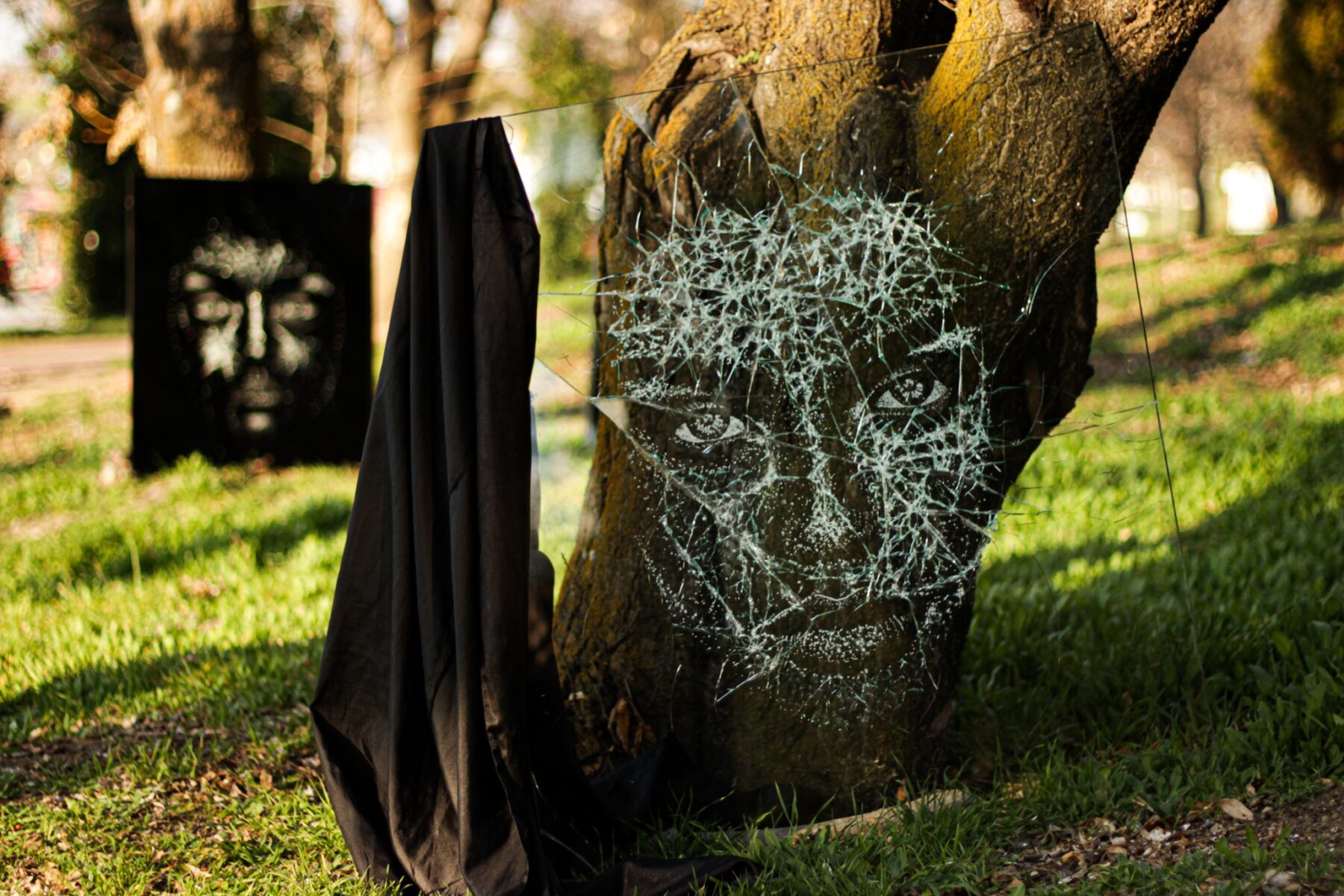
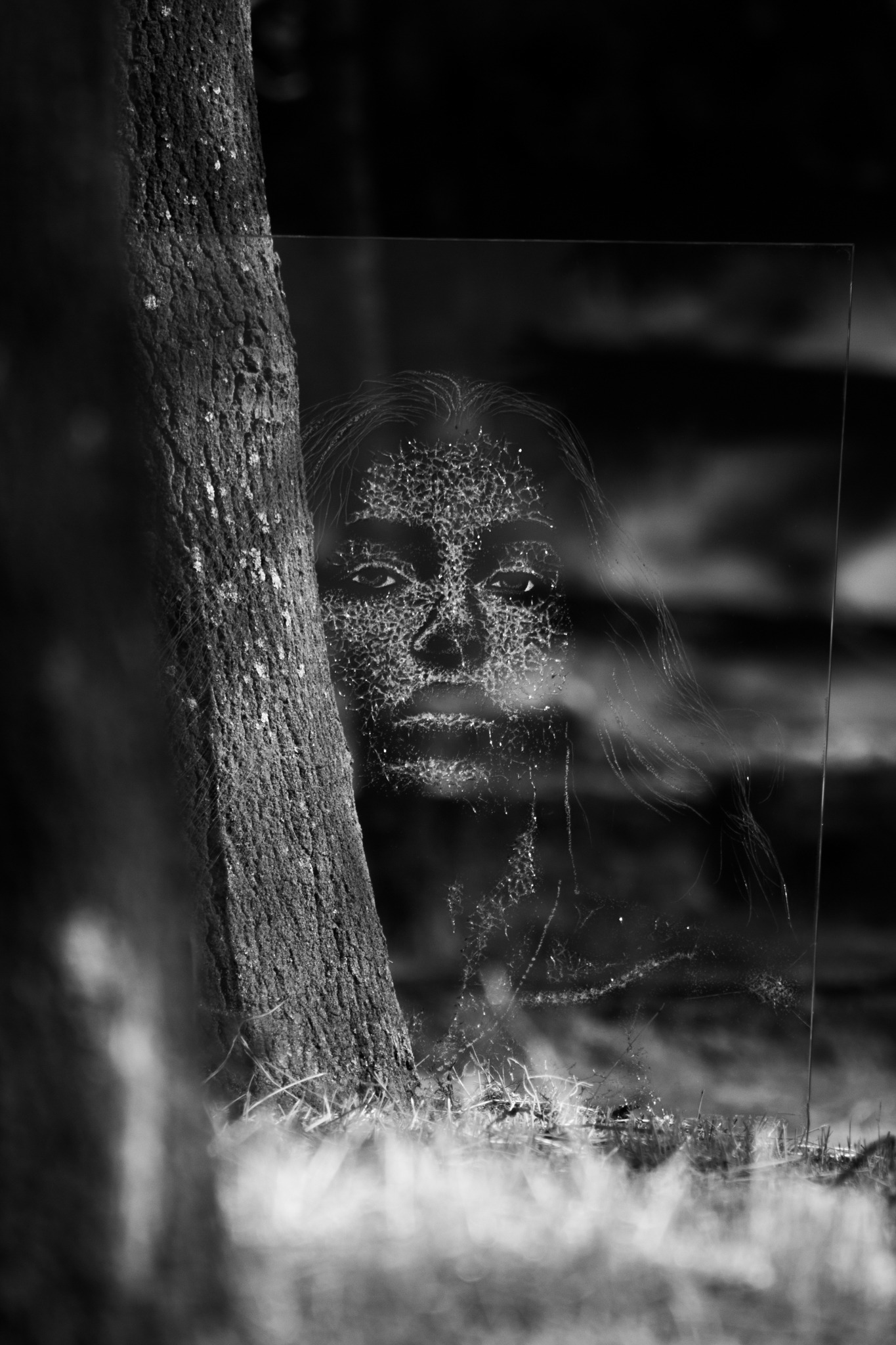
At Cracasso, the technique is not based on random pieces of shattered glass. The purpose is not to destroy the glass, but to create controlled fractures that form an image through light, shadow and surface texture. Each crack is carefully created to become part of a portrait, figure or composition.
How Is Broken Glass Art Made Safe?
The main material used in Cracasso artworks is laminated safety glass. Laminated glass is made by bonding two layers of glass together with a special interlayer. Because of this structure, even when cracks are formed on the surface, the glass does not separate into loose pieces.
This means the final artwork is not a dangerous object made of sharp glass fragments. The cracks remain controlled within the structure of the glass, allowing the piece to be both visually striking and structurally safer.
Is Broken Glass Art Durable?
Yes. With the right material, proper framing and professional packaging, broken glass art can be a durable art form. However, it is important to understand that these pieces are not ordinary decorative objects. They are delicate, collectible works of art.
After the artwork is completed, it is supported with a custom frame. Cracasso artworks are usually framed with black aluminium profiles. This frame protects the edges of the glass and allows the artwork to be displayed more securely on the wall.
Do the Cracks Spread Over Time?
Under normal use and proper display conditions, the cracks are not expected to spread on their own. The fractures are created in a controlled way, and the laminated glass structure helps preserve the integrity of the artwork.
Of course, like any glass artwork, direct impact, dropping or improper handling can create risk. For this reason, each piece should be handled carefully, mounted securely and protected from physical impact.
Is It Safe to Display at Home or in an Office?
Yes. When properly framed, broken glass art can be safely displayed in homes, offices, galleries and private collections.
The black background behind the glass strengthens the white visual effect of the cracks and increases the contrast of the artwork. This allows the piece to become a powerful focal point in modern interiors while offering a visual experience that is very different from traditional paintings.
A Custom Crate System Developed for International Shipping
For Cracasso, one of the most difficult challenges was not only creating the artwork, but also delivering it safely to collectors around the world.
Taking past shipping damages and mistakes into account, more than 20 shipping prototypes were developed and tested. This process was not easy, fast or inexpensive. On the contrary, it was costly, painful and deeply instructive.
During these tests, unfortunately, more than 10 artworks became unusable. However, every failed attempt turned into a new packaging solution. The crate structure, internal support system, shock-absorbing layers, frame protection and the details that prevent the glass from moving inside the crate were improved again and again.
After more than four years of development, Cracasso began using custom-designed wooden crates for international shipments. These crates are not simply shipping boxes; they are protective systems developed specifically for glass artworks.
Today, every piece is shipped not only as a completed artwork, but also with a professional packaging system designed to help it travel safely.

How Is Broken Glass Art Different from Ordinary Broken Glass?
The difference is not simply that the glass is broken. The difference is that the breakage is intentionally controlled.
Instead of random damage, there are guided fractures. These cracks become areas of light and shadow directed by the artist.
Each impact works like a small part of the visual structure. From a distance, the cracks come together and transform into a portrait, a figure or a symbolic composition. Learn more in How broken glass art is made.
Lifetime Artist Care Commitment
Cracasso artworks are offered with the personal responsibility and long-term artistic care of Yasin Uca.
Every work is covered by lifetime artist care: repairable damage that occurs in normal use is repaired by the artist in person, wherever the work hangs. Damage caused by natural disasters such as fire or flood, and deliberate damage, are not covered.
When a repair is possible, Yasin Uca travels to the artwork’s location and repairs it in person. It is not only technical support; it is also a rare opportunity for the collector to meet the artist.
The repair itself is free of charge; only travel and accommodation are paid by the collector. Every repair request is first reviewed through photos and videos.
This commitment is more personal than a traditional product warranty. Cracasso artworks are not mass-produced objects; they are one-of-a-kind works that continue to be personally cared for by the artist.
Conclusion: Broken, But Not Unsafe
Because of its name, broken glass art may sound fragile or dangerous at first. However, when created with the right technique, it can be safely and beautifully displayed for many years.
Cracasso’s approach transforms the fragility of glass into an artistic language rather than treating it as a weakness. Every crack is a controlled mark. Every surface becomes a story that changes with light.
Broken glass art is not simply broken glass. It is a visual balance between fragility and durability. Explore the available works.