Atatürk in Broken Glass: The Story Behind the Gaze
Why the eyes, how they were drawn strike by strike, and the unveiling in Kızılcaköy: the story of Yasin Uca’s Atatürk portrait.
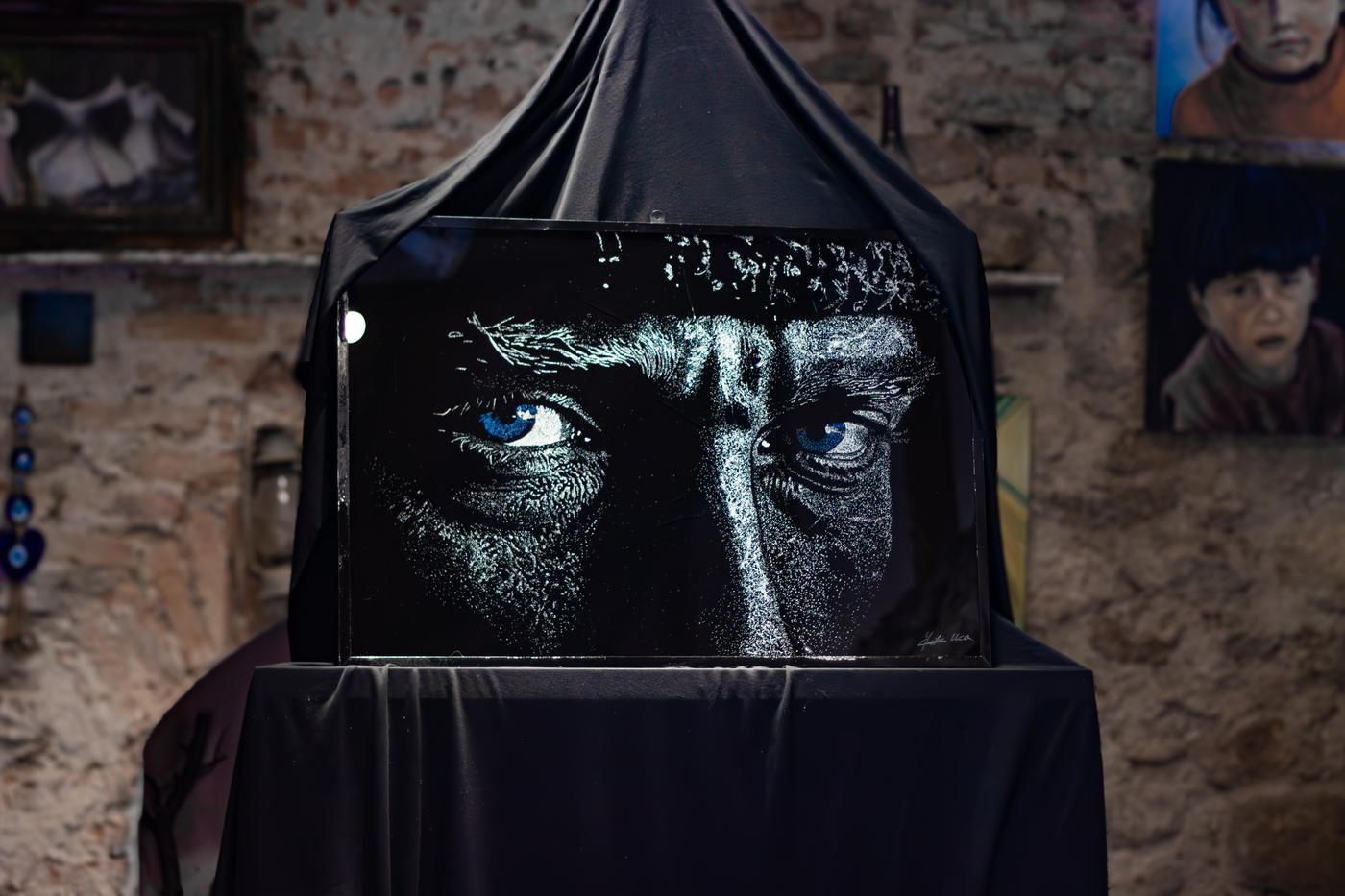
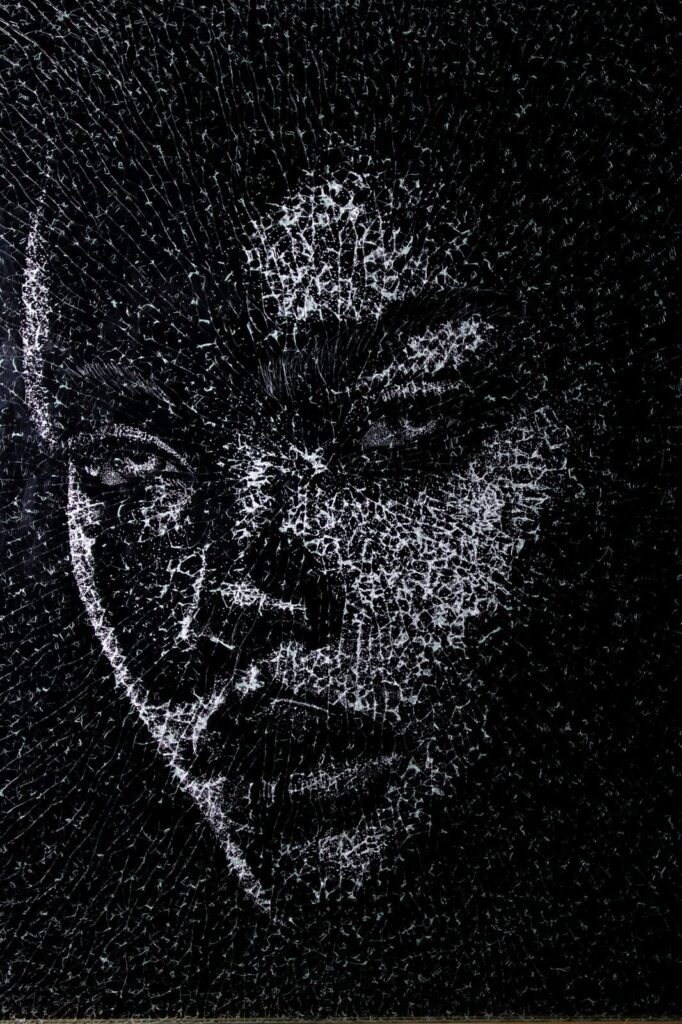
Some faces are so familiar that a few lines are enough to recognise them. For a Turkish artist, Mustafa Kemal Atatürk is one of them. In Yasin Uca’s broken glass portrait, the face is reduced to its most powerful element: the gaze.
Why the eyes
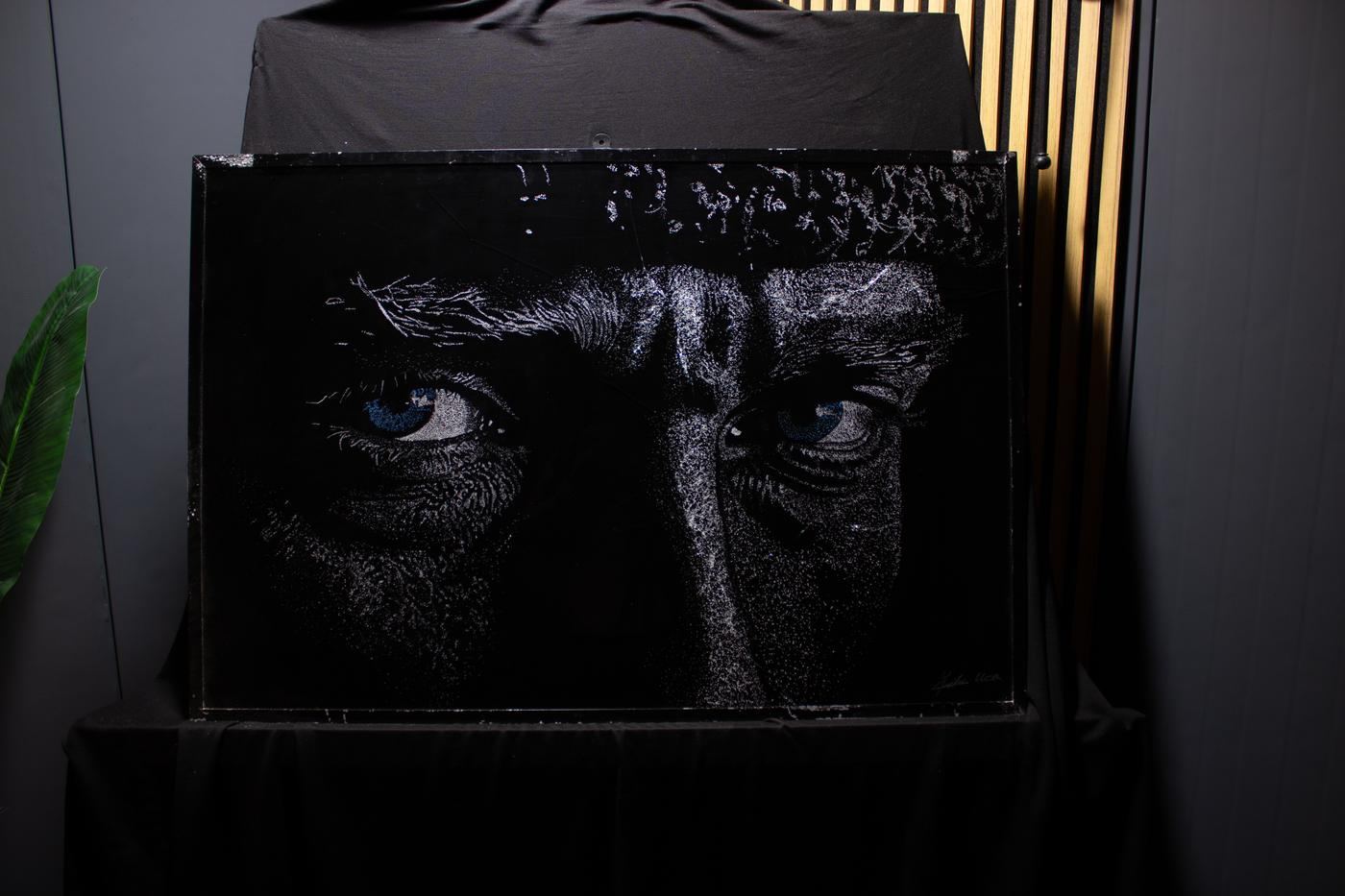
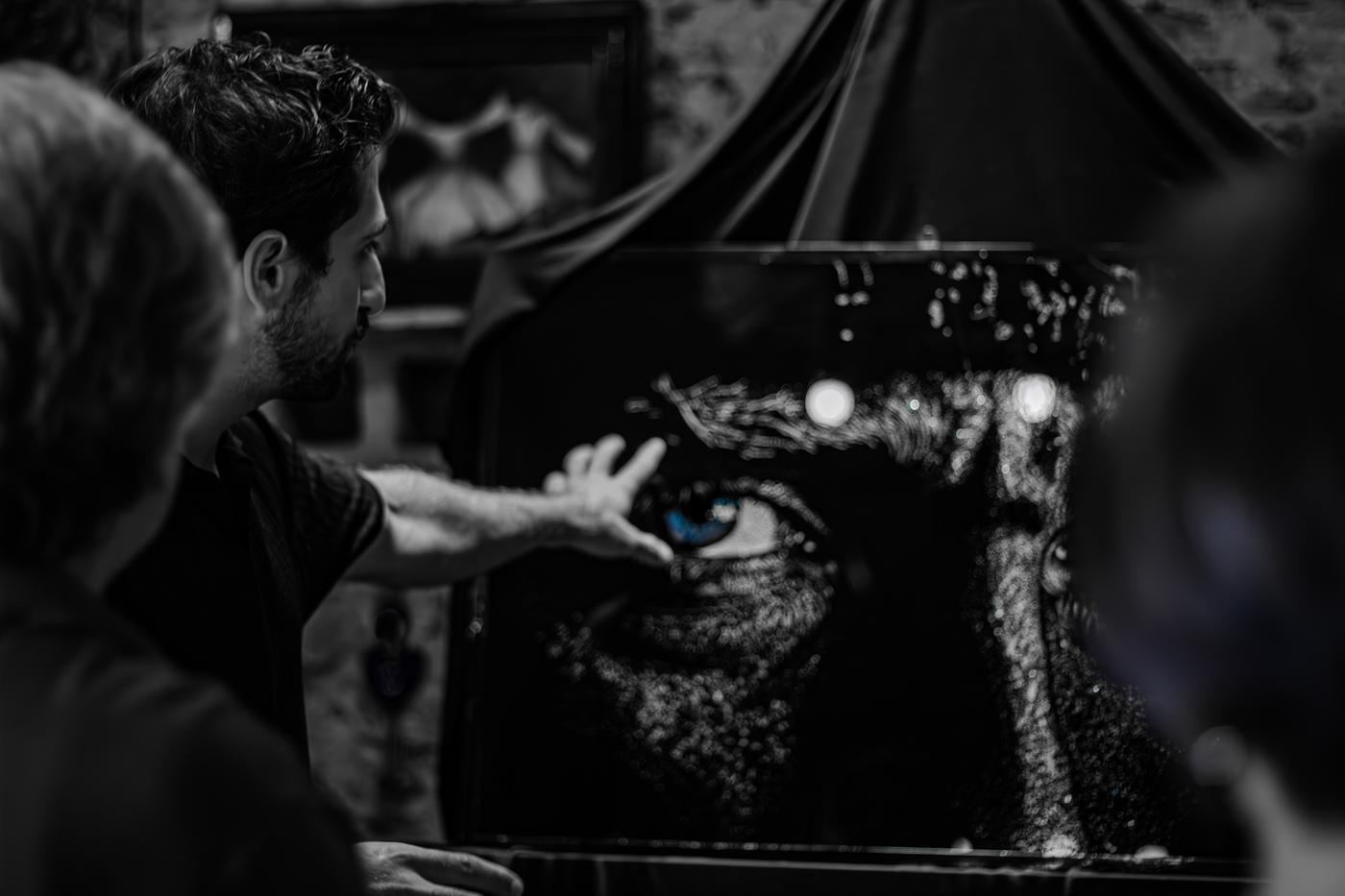
Atatürk’s eyes are among the most recognised features in Turkish visual memory, reproduced in photographs, paintings and statues across the country. A portrait that shows only the eyes and brow asks the viewer to complete the face themselves — and almost everyone in Turkey can. The composition is narrow and horizontal, like a band of light across a dark surface.
Drawn strike by strike
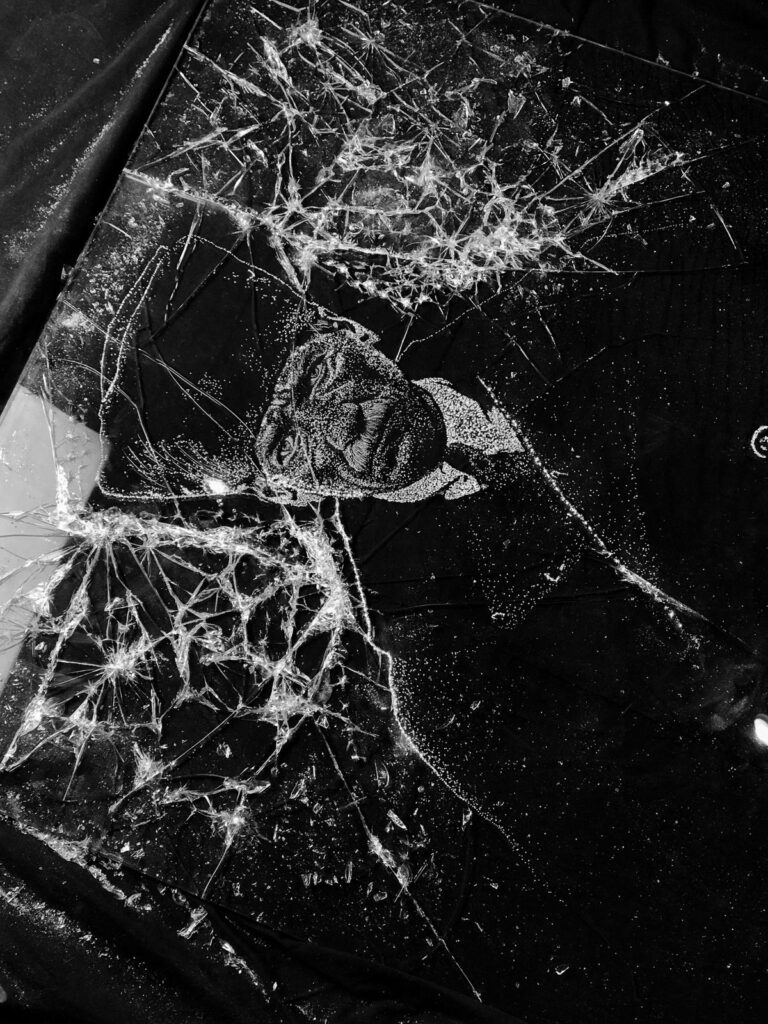
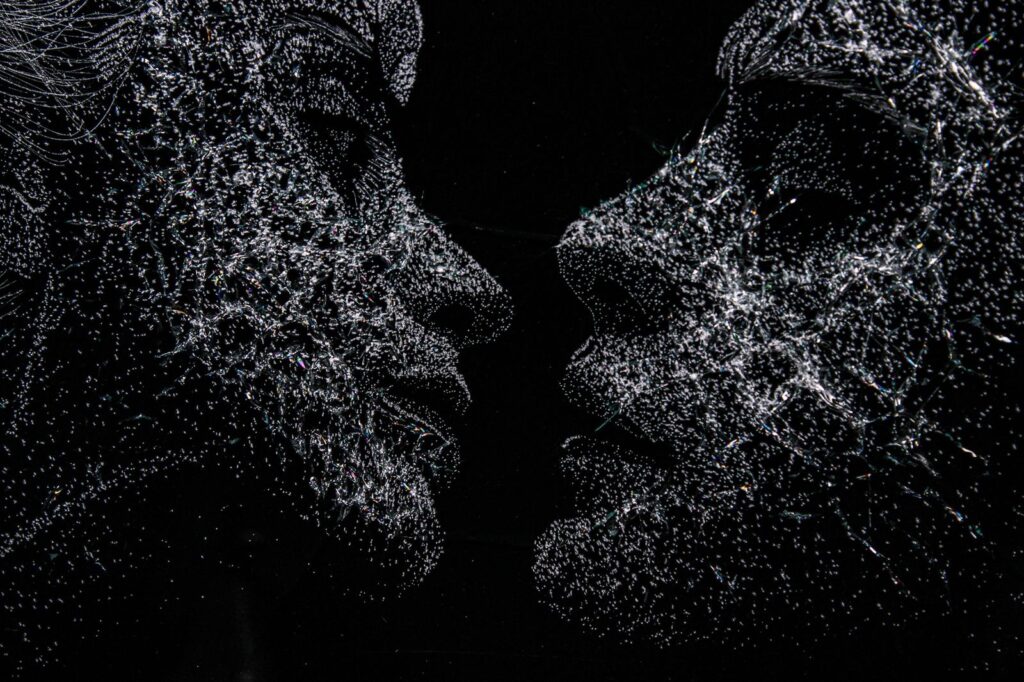
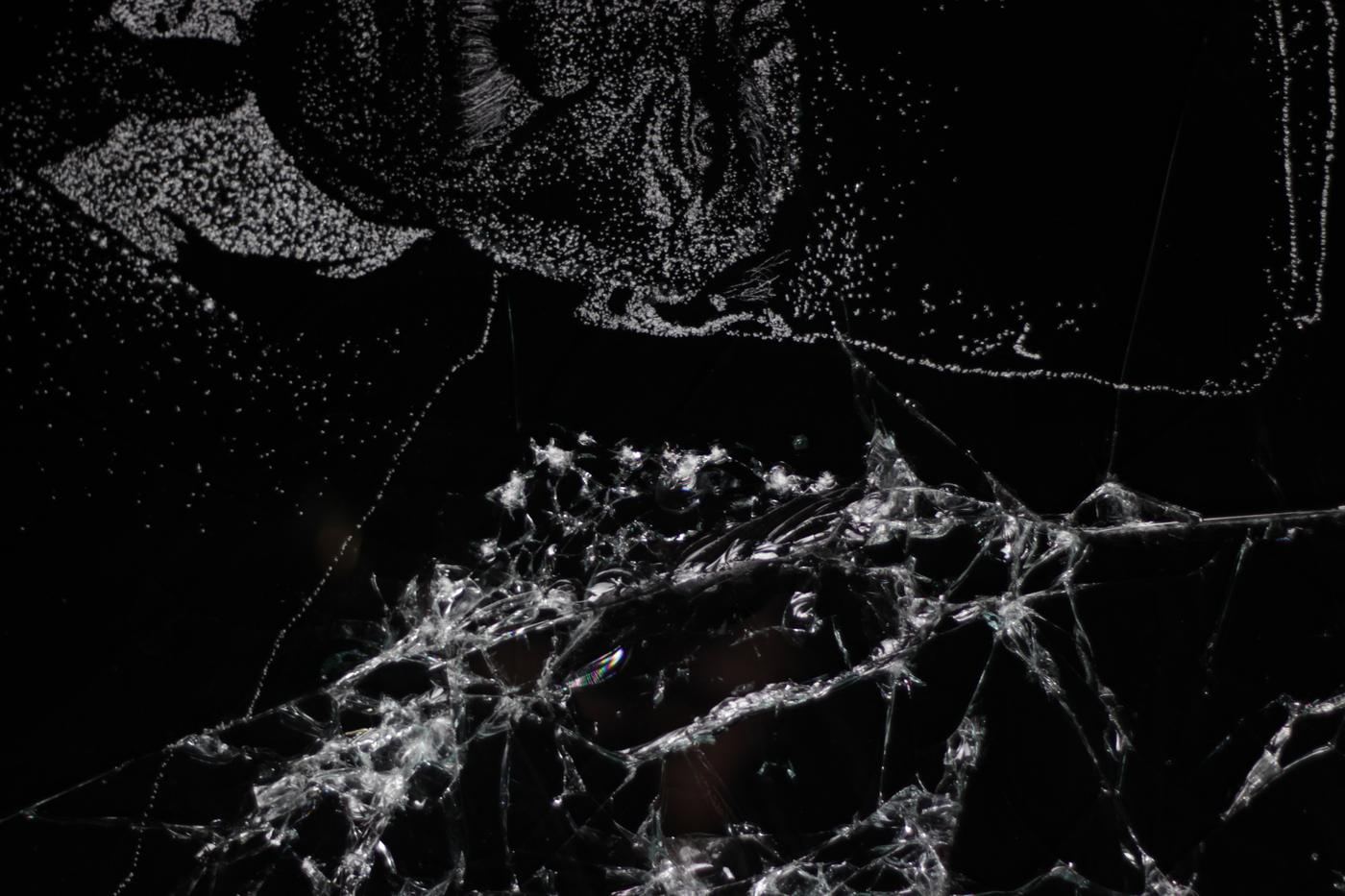
Like every Cracasso work, the portrait is made on a single sheet of laminated safety glass. Hundreds of controlled hammer strikes create the fractures; their density draws the light on the brow, the creases around the eyes and the highlights in the irises. The back is painted black, so the white fractures appear to float in darkness. There is no brush and no eraser: every strike is permanent, which makes the eyes — where a single mistake would show most — the most demanding part of the work.
The unveiling in Kızılcaköy
The portrait was first shown to visitors in 2025 at the Hüseyin Kolay Culture & Art House in Kızılcaköy. It was presented under a black veil and unveiled in front of the audience, so that the gaze appeared all at once — the way light suddenly catches the fractures when you step in front of the glass.
An earlier portrait
Atatürk has appeared in the studio before. An earlier broken glass portrait of Atatürk took a different approach, with a looser, more expressive network of cracks. The newer work is more concentrated: fewer elements, more intensity. Seen side by side, they show how the technique has become more precise over the years.
Where the work is now
The portrait is kept in the artist’s studio and is not for sale. It belongs to the same group of works as other modern icons — faces and symbols that carry a shared memory.
If you would like a portrait with personal meaning — a family member, a hero, a memory — the same technique is available as a custom commission.