Broken Glass Sculpture or Broken Glass Portrait? What These Works Really Are
Why hand-fractured portraits look three-dimensional, how they differ from glass sculpture, and why that matters for display and safety.
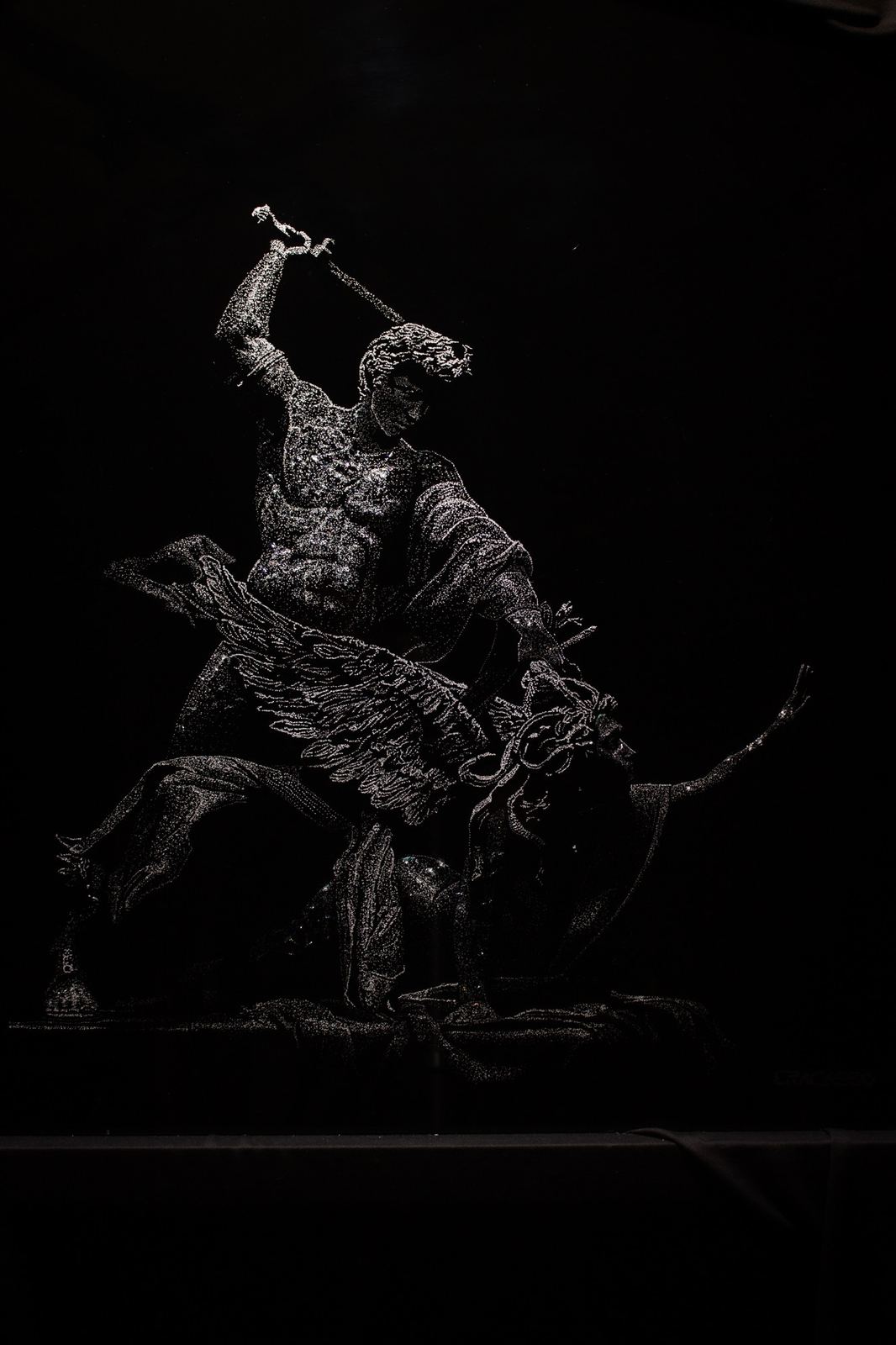
“Broken glass sculpture” is a common search, and it often leads to Cracasso. But are these works sculptures? The short answer is no — and the difference matters if you are thinking of buying one.
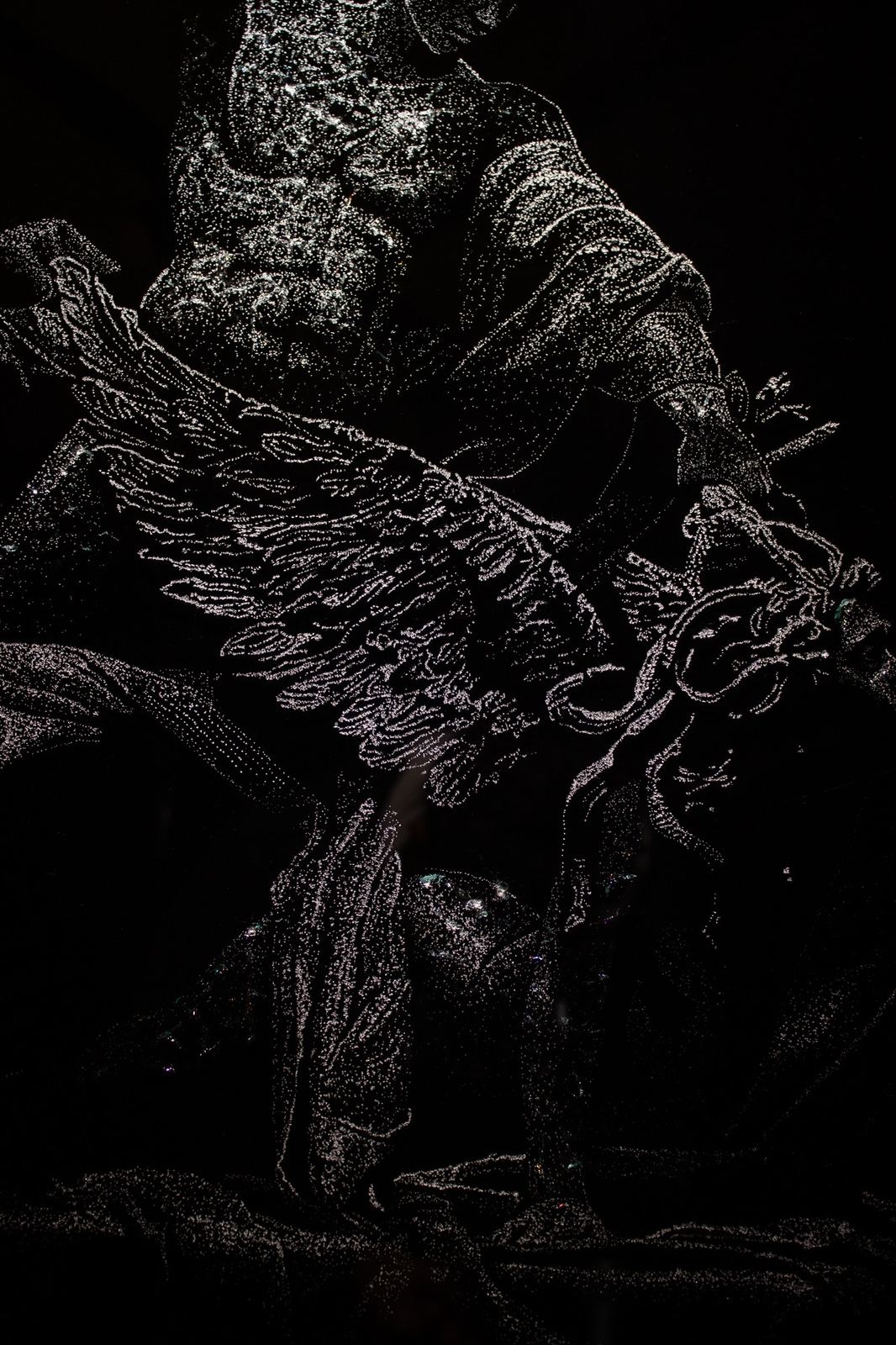
What a broken glass portrait is
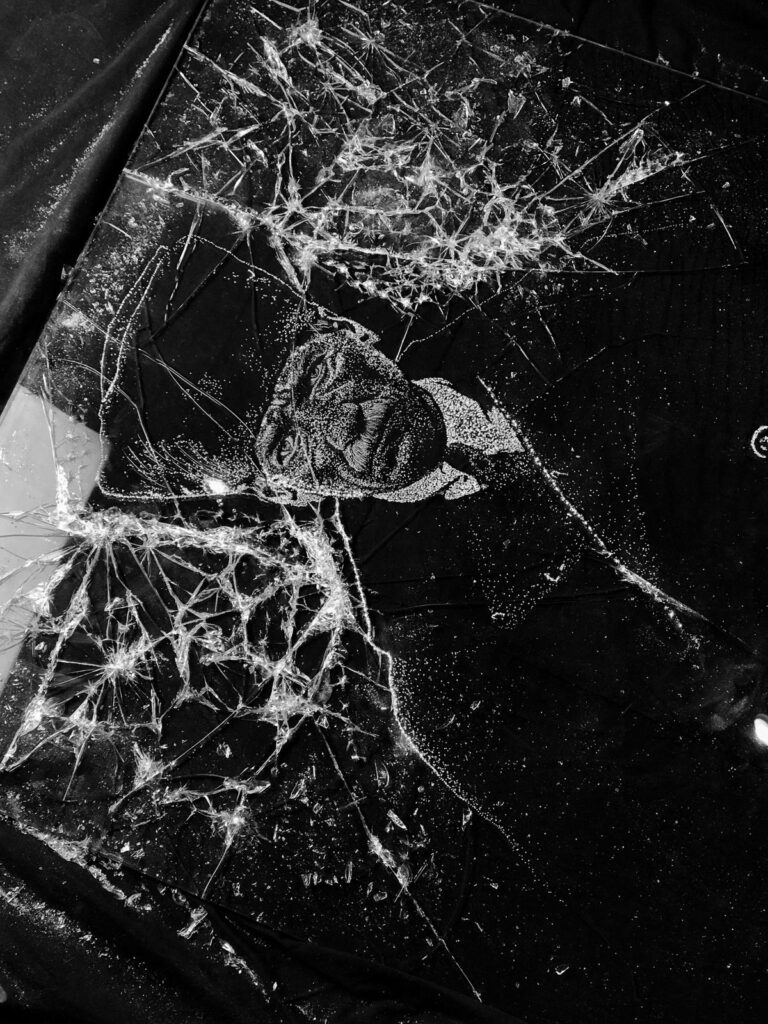
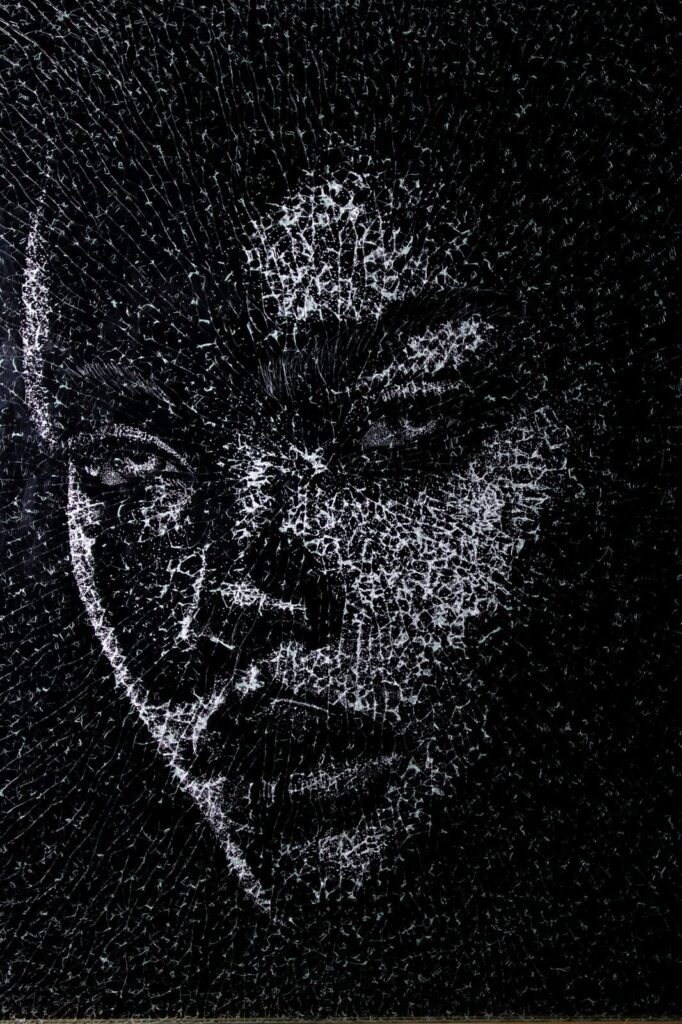
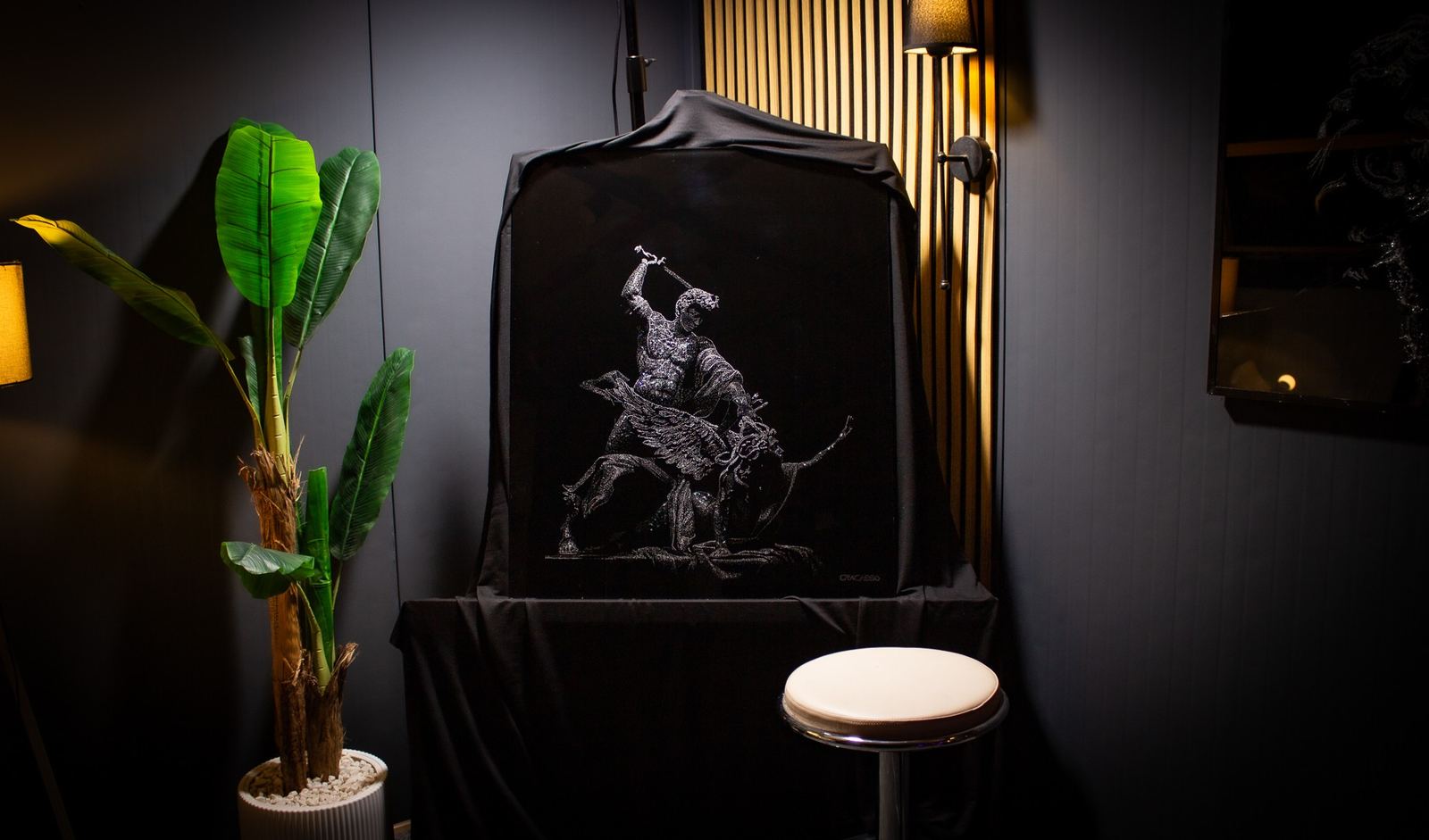
Every Cracasso work is a flat, framed panel. It starts as a single sheet of laminated safety glass, which is struck by hand several hundred times until the fractures form a portrait. The back is painted black, and the work is framed in black aluminium, ready to hang on a wall like a painting or a photograph.
Why it can look like a sculpture
The fractures are not just lines on a surface: they go into the depth of the glass, and each one catches light at its own angle. As you walk past, different fractures light up, and the face seems to move and gain volume. Photographs flatten this effect; in person, many visitors describe the works as three-dimensional. That is probably why people search for “broken glass sculpture”.
What broken glass sculpture usually means
- Glass sculptures — free-standing objects made by casting, blowing or fusing glass.
- Assemblages — three-dimensional works built from shards of broken glass, often with resin or metal.
- Installations — works in space that use broken glass as a material among others.
All of these are made from separate pieces or shaped glass. A broken glass portrait is the opposite: one pane, never taken apart, with the image drawn by its fractures.
Why the difference matters for collectors
- Display — a portrait hangs on the wall and needs a single good light; a sculpture needs a plinth and space around it.
- Safety — laminated glass holds together even when fractured, so there are no loose shards.
- Shipping — a framed panel travels flat in a custom wooden crate.
For the full story of the material, read Is broken glass art safe and durable? and What is broken glass art called?. To see the effect of depth for yourself, look at the light films on the pages of Perseus and Medusa and Zantréa.